

Ultimate Skin Rejuvenation: Treatments That Work in 2026
Over the past decade, the field of skin rejuvenation has shifted toward safe, minimally invasive procedures with predictable results and shorter downtimes. The goal for most women is a natural improvement rather than an obvious change. In 2026, you can expect a broad menu of options—from lasers to microneedling, chemical peels, and noninvasive devices—that can target fine lines, pigment, rough texture, and loss of elasticity. This guide walks you through the science, the best practices, and a practical plan to achieve durable improvements while managing downtime and costs.
What is Skin Rejuvenation in 2026?
Skin rejuvenation refers to cosmetic procedures and topical regimens that improve the skin’s appearance, texture, tone, and resilience. It isn’t a single technique but a spectrum of modalities with different depths, outcomes, and recovery timelines. For many women, a combination approach yields the best results because aging skin often presents multiple concerns—wrinkles, pigmentary changes, sagging, and dullness—simultaneously.
Key aims include smoothing fine lines and acne scars, evening out pigment, improving pore appearance, boosting radiance, and supporting skin’s collagen framework. In 2026, clinicians emphasize personalized plans: skin type, sun exposure history, medical conditions, prior procedures, and lifestyle all influence which modalities are most suitable.
Common goals you’ll hear discussed in clinics include texture improvement, tone evenness, and elasticity restoration. For many patients, a staged plan—address pigment first, then refine texture, then focus on tightening—produces the most natural, long-lasting results.
Top Treatments That Work in 2026
Below, we explore a balanced mix of laser, energy-based, and topical/adjunct therapies. Each subsection provides a practical sense of what to expect, typical downtime, and how results may stack with other modalities. This section emphasizes evidence-based approaches that dermatologists commonly recommend for women seeking durable improvements in skin quality.
1) Laser Resurfacing: Ablative and Fractional
Laser resurfacing remains a cornerstone of modern skin rejuvenation, capable of dramatically improving texture and pigment. There are two broad families: ablative lasers (which remove tissue) and non-ablative/fractional lasers (which heat tissue in a fractional pattern). The most common choices today are fractional CO2 and erbium (Er:YAG) lasers.
Ablative lasers—especially CO2—can deliver strong results for deep wrinkles, pronounced sun damage, and scarring. However, they come with longer downtime (often 5–14 days of redness and crusting) and a higher chance of transient pigment changes, particularly in darker skin tones. Fractional CO2 and non-ablative fractional lasers reduce downtime by treating the skin in microthermal zones, enabling faster recovery while still prompting collagen remodeling. Real-world outcomes show significant improvement in lines around the mouth and eyes, with gradual pigment correction over weeks to months.
In practice, a staged approach is common: a lighter, fractional pass to refresh texture, followed by a deeper treatment after several months if needed. Experts emphasize careful pigment management, sun protection, and strict post-procedure regimens to minimize downtime and maximize results. For a typical patient, expectations should be calibrated to color, skin type, and the number of sessions planned. Skin rejuvenation through lasers is most effective when paired with a solid skincare base and sun avoidance strategies.
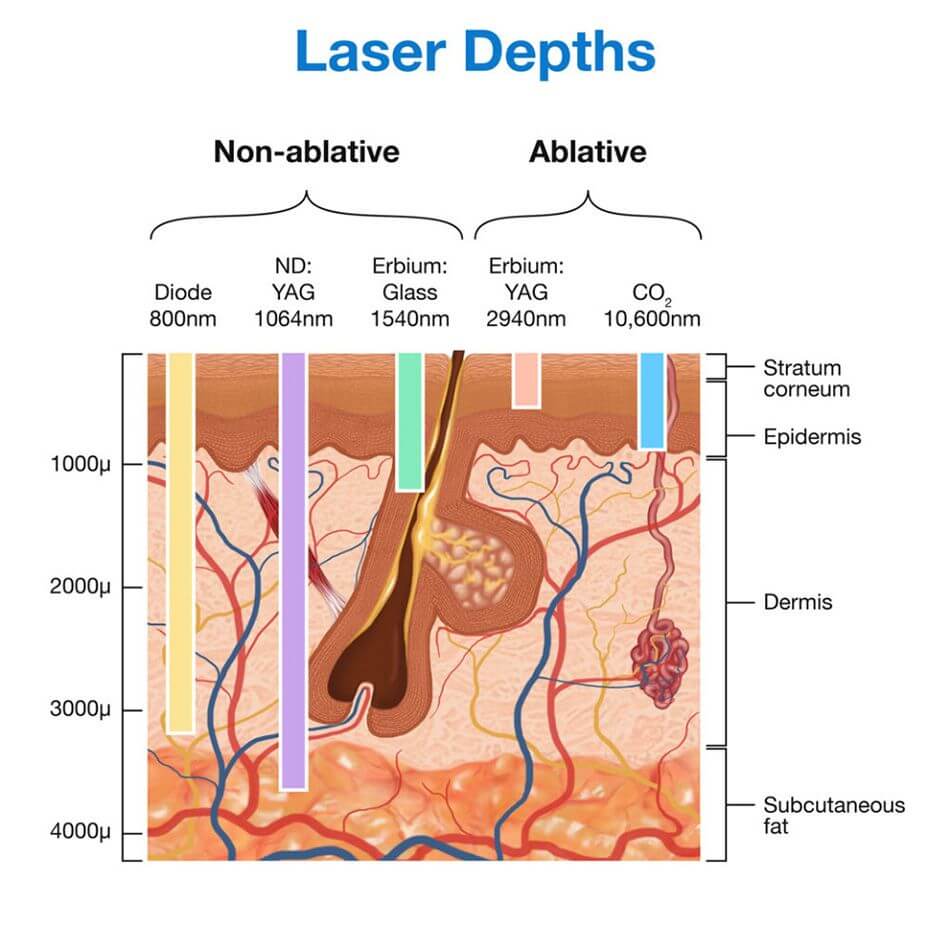
Figure 1: Laser resurfacing depths — ablative vs fractional — a visual guide to skin rejuvenation with lasers.
Clinical tip: Talk to your dermatologist about skin type, pigment stability, and downtime tolerance before choosing a laser plan. Peer-reviewed articles and clinical guidelines emphasize individualized dosing and layered approaches to minimize risks while maximizing outcomes.
Ablative vs. Fractional: Quick comparison
Ablative lasers remove outer skin layers, yielding dramatic reshaping but longer recovery. Fractional lasers create microthermal zones across the skin, enabling faster healing and milder downtime while still driving collagen remodeling. The choice depends on goals, downtime tolerance, and pigment stability. In all cases, post-treatment care is essential to protect results and minimize complications.
Downtime, expectations, and maintenance
Recovery varies by modality and individual factors, but most patients report controlled redness for 3–7 days after fractional lasers and a week or two after nonablative treatments. Some minor pigment changes can occur in the first weeks to months, especially for individuals with darker skin tones. Maintenance programs often involve annual touch-ups or combining laser sessions with other modalities like microneedling to sustain collagen production over time.
2) Non-Ablative Lasers and IPL (Photofacials)
Non-ablative lasers and IPL targets pigment and vascular concerns with less downtime than ablative lasers. They stimulate collagen remodeling in the mid to deep dermis without removing surface tissue. Expect subtle to moderate improvements after a series of sessions (often 3–6) spaced 2–4 weeks apart. Pigment, redness, and uneven tone can improve, especially when combined with good sun protection and antioxidant skincare. For women with rosacea-prone skin, IPL can reduce facial redness while maintaining a gentle healing profile.
Key advantage: lower downtime and a gentler recovery. Key challenge: results may be less dramatic and require ongoing maintenance. When paired with a maintenance skincare routine, IPL can provide a reliable boost to clarity and tone that complements other modalities like microneedling.
3) Microneedling with PRP
Microneedling alone creates microchannels that trigger collagen production. When combined with platelet-rich plasma (PRP), the growth factors can further stimulate tissue repair and rejuvenation. This combo can improve fine lines, acne scars, and skin texture without extensive downtime. Typical plans involve 3–4 sessions, spaced 4–6 weeks apart, with noticeable improvements continuing over 3–6 months as collagen matures.
Clinical notes: PRP enhances wound healing and may improve results when treating volume loss and texture changes in aging skin. Patients often see improvements in radiance and skin tightness, although results are less dramatic than ablative lasers in patients with deep wrinkles. For best outcomes, combine microneedling with a tailored home care regimen and sun protection.
4) Chemical Peels
Chemical peels vary in depth and formulation. Lighter peels (glycolic, lactic) refresh surface texture and pigment with minimal downtime, while deeper peels (TCA, phenol) address more substantial sun damage and deeper lines but demand longer recovery and pigment management precautions. The 2026 consensus favors a staged approach—starting with milder peels to prime the skin, then escalating if needed, all while monitoring pigment stability and photosensitivity. In many cases, a series of peels spaced every 4–6 weeks yields cumulative gains in tone and texture.
Important considerations: individual skin type, history of keloids or scarring, and exposure to the sun. For darker skin tones, a cautious approach with lighter peels and proper pigment management is recommended. Pairing peels with topical regimens (retinoids, humectants, and antioxidants) can amplify results while supporting barrier health.
5) Radiofrequency (RF) and High-Intensity Focused Ultrasound (HIFU)
RF and ultrasound technologies focus on dermal tightening and collagen stimulation with minimal surface disruption. RF microneedling combines micro-needling with radiofrequency energy, delivering deeper remodeling with controlled downtime. HIFU delivers focused ultrasound energy to deeper layers and can support lifting effects on the jowls and neck. These modalities are particularly appealing for women seeking non-surgical tightening without incisions, though multiple sessions are often required and results accumulate over months.
Takeaway: these options improve laxity and contour, but best outcomes are achieved in individuals with mild to moderate sagging and in combination with skin‑surface treatments to enhance texture and tone.
Holistic Approach: Topicals and Lifestyle for Skin Rejuvenation
While procedural therapies offer dramatic improvements, topicals and lifestyle choices remain foundational. A daily sunscreen of SPF 30+ is non-negotiable, and antioxidants (like vitamin C) support photoprotection and collagen synthesis. Retinoids (retinol, tretinoin) accelerate cell turnover and stimulate collagen, but they should be introduced gradually to minimize irritation. Hydration, barrier-supporting ceramides, and a gentle cleansing routine preserve skin health between procedures.
For many women, a phased plan—targeting pigment first, then texture, then tone—yields the most natural, lasting improvements. Lifestyle factors, including smoking cessation, sleep quality, and stress management, also influence recovery and final results. Nutrition, particularly ingestion of collagen-supporting nutrients and adequate protein, can contribute to skin resilience when used in conjunction with active treatments.
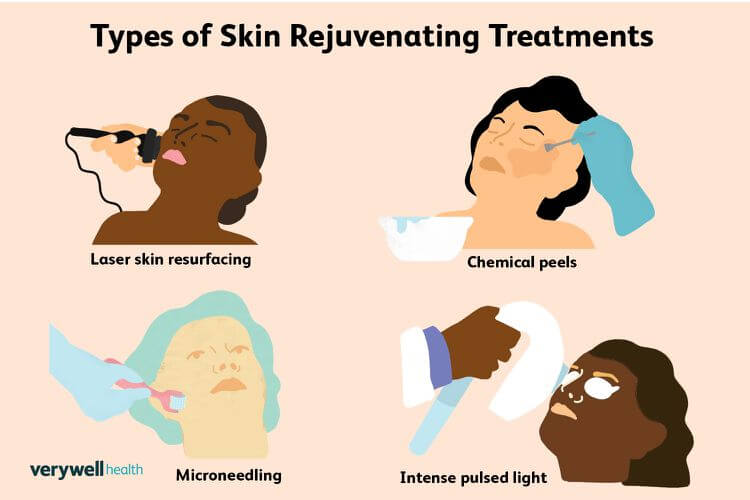
Figure 2: The Skin Rejuvenation Process — collagen remodeling, pigment correction, and texture improvement across modalities.
Choosing Treatments, Safety, and Realistic Expectations
Choosing the right plan means aligning goals with practical realities. Skin type, age, hormonal factors, and sun exposure history influence outcomes and risk of side effects. A board-certified dermatologist or plastic surgeon can tailor a plan, stage sessions, and coordinate multi-modality regimens. In 2026, a common strategy is a layered, phased approach: begin with surface improvements (peels, light lasers, topical retinoids), then address deeper concerns (microneedling with PRP, fractional laser, RF), and finally refine with maintenance sessions.
Safety considerations: always verify practitioner credentials, review potential pigment changes, and understand downtime. For darker skin tones, pigment preservation is a priority; for those with acne-prone skin, selecting modalities that do not irritate the pilosebaceous unit is prudent. In clinical practice, most patients tolerate these therapies well when performed by experienced clinicians and paired with proper aftercare.
Quick Takeaways
-
- Skin rejuvenation in 2026 emphasizes personalization and a multi-modality approach.
-
- Laser resurfacing (fractional CO2, Er:YAG) offers dramatic results with staged downtime for many women.
-
- Non-ablative lasers and IPL deliver safer profiles with incremental improvements and manageable downtime.
-
- Microneedling with PRP and chemical peels complement lasers by improving texture and pigment gradually.
-
- RF microneedling and HIFU provide non-surgical tightening for mild to moderate sagging.
-
- Topical regimens (retinoids, vitamin C) and sun protection are essential for sustaining results.
Conclusion: A Pragmatic Path to Radiant Skin
In 2026, the most effective skin rejuvenation plan for women blends science, safety, and a personal tolerance for downtime. Start with a clear assessment of your goals—fines lines, pigment, texture, and laxity—and then co-create a phased plan with a trusted dermatologist. Expect natural, cumulative improvements over months rather than overnight miracles. Stay vigilant about sun protection, barrier repair, and gradual adjustments to your routine. If you’re ready to discuss options, schedule a consultation to map a tailored, evidence-based plan that fits your lifestyle and budget.
Contact us for a customized skin rejuvenation plan that targets your unique concerns as a woman seeking durable, safe results.
5 Unique FAQs Related to Skin Rejuvenation
- What is the most effective skin rejuvenation treatment for women over 40? The answer depends on goals: for pigment and texture, fractional lasers or chemical peels plus retinoids; for mild laxity, RF microneedling or HIFU may be preferred. A staged approach often yields the best long-term results.
- Can I combine microneedling with PRP and laser therapies? Yes, combining modalities is common, but timing matters. Typically, microneedling with PRP is scheduled between laser sessions or after a conservative laser pass to minimize downtime while maximizing collagen production.
- How many sessions are needed for visible results? It varies by modality and skin type. For example, 3–6 IPL or non-ablative laser sessions, 3–4 microneedling with PRP sessions, and 1–3 fractional laser treatments are common starting points.
- Is skin rejuvenation safe for darker skin tones? Yes, with pigment‑safe protocols and experienced clinicians. Techniques prioritize pigment preservation and gradual improvements to minimize hyperpigmentation risk.
- What are typical downtime expectations? Lighter peels and IPL may require no downtime or a couple of days of mild redness. Fractional lasers can involve several days of redness, while ablative lasers may require up to 1–2 weeks for crusting and healing, with final results emerging over months.